
What is Medieval Fantasy?
Picture a stone castle, an old forest no sensible traveller would traverse after dark or a road where danger waits…
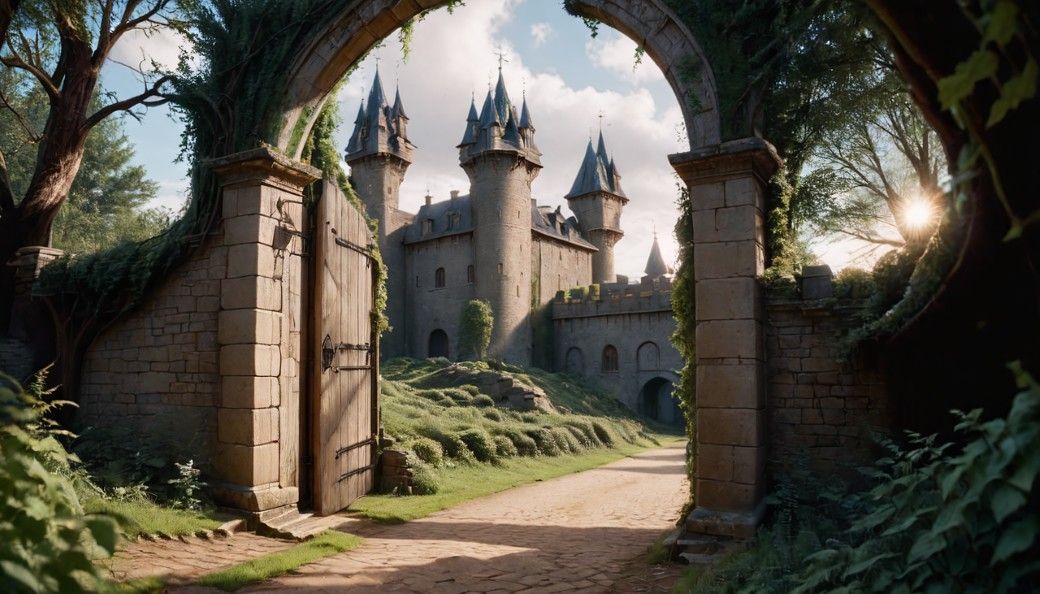
Picture a stone castle, an old forest no sensible traveller would traverse after dark or a road where danger waits around the next bend. Add a disputed throne, a forgotten prophecy or perhaps a dragon, and you’re probably finding yourself in the world of medieval fantasy.
People who don’t tend to read medieval fantasy often equate the genre with knights, quests and enchanted swords. While those do form a role in stories in this fantasy sub-genre, readers will also encounter magic and mythical creatures, court politics, and ordinary people trying to survive the consequences of war.
What is medieval fantasy and how is it different from historical, high or epic fantasy? There isn’t a strict checklist, but it blends a medieval-inspired world with the unlimited possibilities the fantasy genre offers.
Table of Contents
What is medieval fantasy?
Medieval fantasy is inspired by the societies, landscapes, technology and legends associated with the medieval period, particularly Europe from around the fifth to the late fifteenth century. It usually takes place in a pre-industrial world of travel by foot, horse or ship, sword-based combat and powerful monarchies.
Unlike historical fiction, medieval fantasy does not have to recreate a real period accurately. An author might invest an original kingdom while using recognisable medieval elements such as castles, guilds and fortified cities. Alternatively, the story may place witchcraft, dragons or supernatural forces within a real medieval setting.
The term describes the framework of the story rather than an exact formula. Not every medieval fantasy novel will have knights, royalty or an epic battle between good and evil. What connects this genre is the way stories blend medieval-inspired life with magic, myth or the supernatural.
The defining features of medieval fantasy
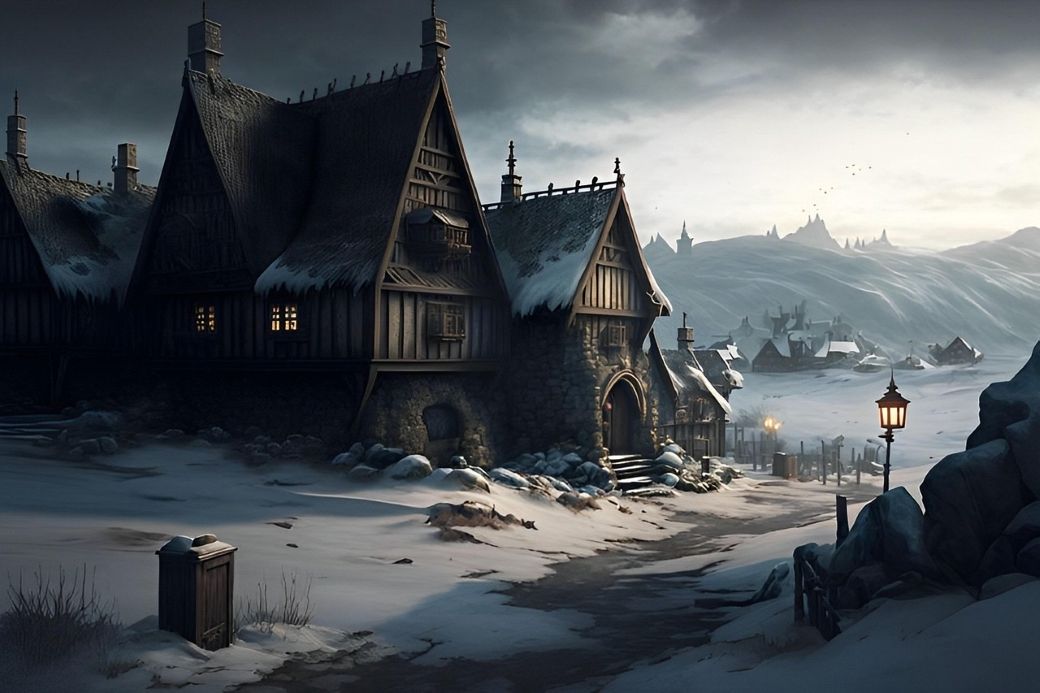
No two imagined kingdoms are quite the same, but there are a few features that readers encounter again and again.
A pre-industrial setting
Most medieval fantasy takes place before electricity, modern medicine and instant communication. News travels slowly, journeys can take weeks, and warfare involved swords, bows and trebuchets. Characters can’t call for instant help; they must trust messengers, maps, local knowledge and rumours that may not be true.
Castles, villages and wild frontiers
Landscapes in medieval fantasy often include castles, monasteries, markets and farming villages. Beyond them lie forests, mountains and ruins where the ruler’s authority has little reach. A royal court can hide secrets and betrayal, while an abandoned ruin may conceal lost magic.
Hierarchy, monarchy and feudal power
Kings, queens, heirs and rival houses are common because power is concentrated in very few hands. Land, marriage and bloodlines can determine who controls a kingdom. A character may be born into privilege, trapped through duty, or simply trying to survive.
Magic, myth and supernatural forces
Magic can be dazzling and everywhere, but it can also be hidden. Some worlds contain wizards, dragons and meddling gods, while in others it only appears through curses, prophecies or old beliefs. Sometimes, the less the reader understands about the magic, the more unsettling it becomes.
Quests, warfare and political intrigue
The quest remains one of the genre’s most recognisable structures. A hero might recover an artefact, protect a hero or break a curse. But medieval fantasy books can also be driven by war, rebellion or conspiracy. Small disputes may grow into the sweeping struggles associated with epic fantasy.
Medieval fantasy compared with related genres
Fantasy labels can become confusing because they often overlap. A single book may belong to several subgenres at once. But there are some differences between the genres, and it is often these differences that draw readers into different areas of fantasy.
Medieval fantasy and high fantasy
High fantasy is generally set in an invented secondary world. Medieval fantasy describes its influences. A novel about rival kingdoms and ancient sorcery in an original world may be both. High fantasy does not have to be medieval; its society may draw on another period, culture or entirely original system.
Medieval fantasy and epic fantasy
Epic fantasy is largely about scale, with world-changing stakes, large casts and conflicts affecting nations. Medieval fantasy can be epic, but it can also tell a smaller story about one village, family or character.
Medieval fantasy and historical fantasy
Historical fantasy places supernatural elements within a real and recognisable period. A story set during the Black Death with added magic may be equally historical and medieval fantasy. Still, a wholly invented medieval-style kingdom is not historical fantasy (however believable it is).
Medieval fantasy and low fantasy
Low fantasy often uses magic sparingly, although definitions do vary. George R.R. Martin’s A Song of Ice and Fire, for example, begins with political struggles in a gritty medieval-style world where supernatural forces are returning.
Common characters and themes of the medieval era
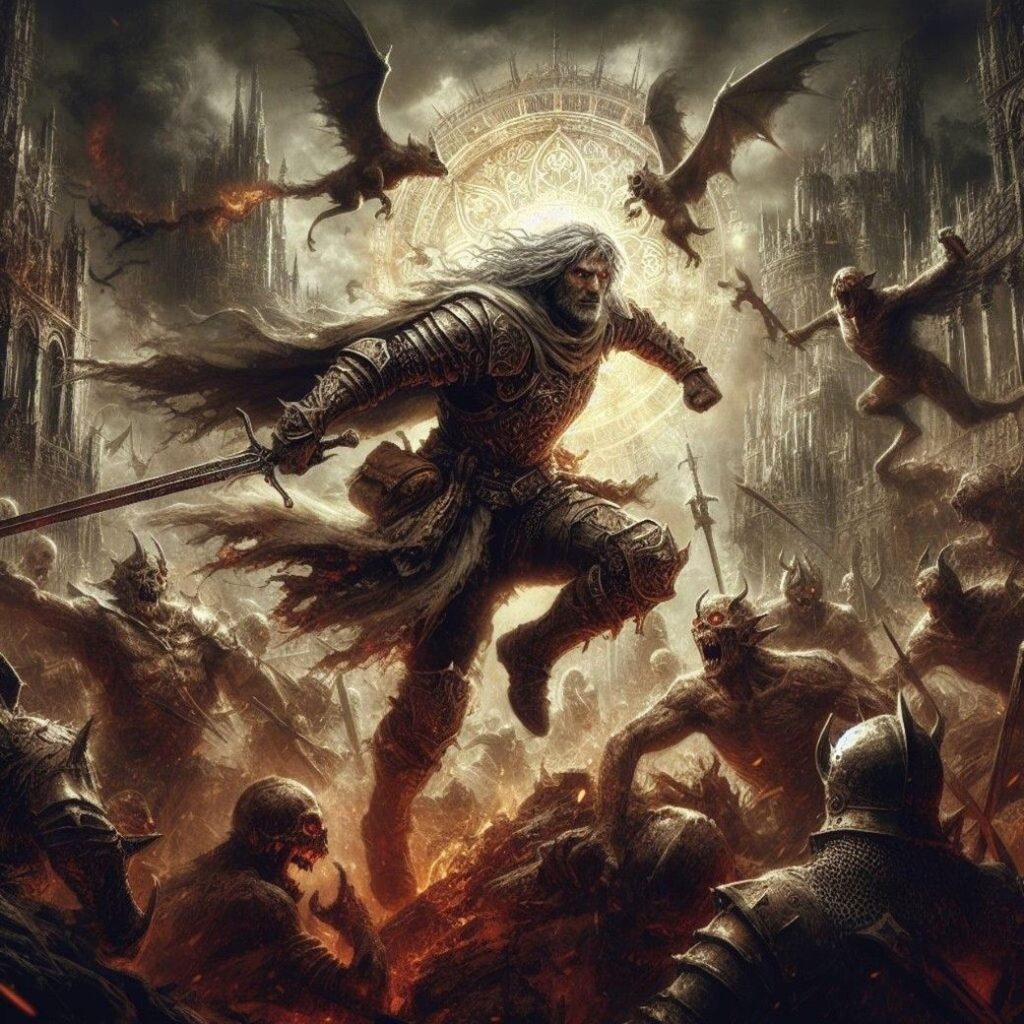
Knights, monarchs, healers, priests, thieves, jesters and witches all find a natural home in medieval fantasy. More importantly, a character’s place in society shapes what they know, where they can travel and how much control they have over their own future.
The In All Jest series, for example, places jesters within an adventure of secrets, danger and power, giving familiar figures more detailed roles than their typical image suggests.
Recurring themes include:
- The conflict between duty and personal freedom
- The cost arising from ambition and war
- Loyalty, betrayal and contested inheritance
- Faith, superstition and forbidden knowledge
- The difference between heroic reputation and reality
- Ordinary people living under powerful rulers
- The return of forgotten magic or an ancient threat
Modern writers are also often more willing to question romantic ideas about the Middle Ages. Rather than treating monarchy, warfare, and chivalry as automatically noble, many look at unequal power and ask who pays the price for a ruler’s quest or hero’s victory.
Settings beyond Medieval Europe
Medieval Europe is a popular feature in medieval fantasy, but many writers draw from other areas, including Byzantine, North African, Middle Eastern, Asian, and Indigenous traditions, while others create something entirely new. The Middle Ages spanned around 1000 years and many regions, so there are plenty of medieval influences and inspiration for authors to draw from.
Why medieval fantasy continues to be popular
Medieval-style settings offer an appealing mix of familiarity and escape. Readers recognise the castle, sword, crown and village, so it doesn’t take long to settle into the story. At the same time, the absence of modern technology makes the world feel far removed from everyday life.
The Middle Ages are also a prime setting for stories about power. A disputed throne can throw a country into chaos, a marriage can secure an alliance, and one messenger can change the outcome of a war. Add magic, and those conflicts become even less predictable.
Importantly, medieval fantasy has room for both intimacy and spectacle. It can follow a farmer leaving home for the first time, a jester protecting a dangerous secret or a ruler deciding the fate of thousands. The story may be hopeful, romantic, humorous or grim; still, beneath the magic and sword fights are usually very human choices about courage, loyalty, ambition and belonging.
A selection of the best medieval fantasy
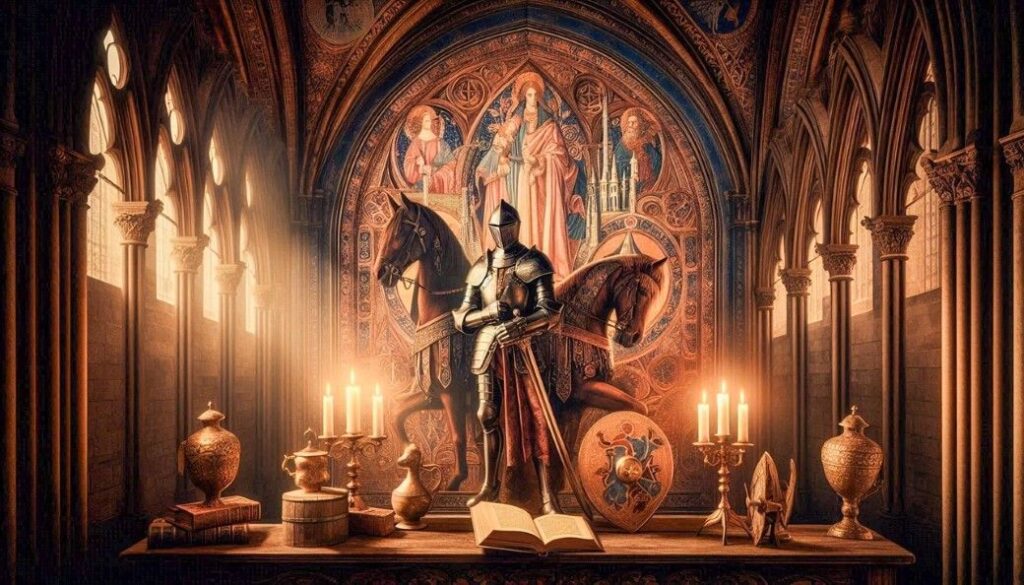
There’s no definitive list of the best medieval fantasy books, and in a genre that spans a large range of storylines, some readers prefer noble quests and visible magic. In contrast, others prefer complicated characters or brutal political choices—these well-known examples of medieval fantasy show just how wide the sub-genre is.
The Lord of the Rings by J.R.R Tolkien. A core quest fantasy featuring fellowship, sacrifice, ancient evil and the struggle for Middle-earth.
A Song of Ice and Fire by George R. R. Martin – Noble houses compete for power while a supernatural danger grows beyond their awareness.
The Once and Future King by T.H. White: A distinctive Arthurian retelling exploring idealism, war and the tragedy of Camelot.
The Farseer Trilogy by Robin Hobb: An illegitimate royal son becomes an assassin amid court intrigue, magical bonds and threats to the kingdom.
Between Two Fires by Christopher Buehlman: A dark historical fantasy set in plague-ravaged medieval France, blending horror, religion and a dangerous journey.
The Last Light of the Sun by Guy Gavriel Kay: A fictionalised world inspired by Anglo-Saxon England, Wales and the Viking Age, told through intersecting lives and cultures.
No single title can represent the whole subgenre. Readers can find sweeping adventures, intimate character studies, dark historical tales and almost everything in between.
Frequently asked questions
Why is medieval fantasy so popular?
Medieval fantasy gives readers the best of both worlds: recognisable imagery and complete imaginative freedom. Castles, quests and royal courts provide an immediate sense of place, while magic and invented history mean almost anything can happen. Limited technology also increases the stakes, forcing characters to rely on courage, knowledge, loyalty and one another.
Why are fantasy stories set in medieval times?
Medieval-inspired societies are almost built for adventure. Travel is slow, wilderness lies beyond the city walls, and conflicts between ruling families can reshape entire kingdoms. The period’s folklore and legends also sit naturally alongside magic and magical creatures. Fantasy doesn’t have to be medieval, though, and many authors now explore other cultures, eras and imagined social systems.
